Friday
10 p.m.
Dinner at Con Gracia (full review here). Since restaurants often take reservations for 10pm or 10:30pm, there is plenty of time to have a proper feed upon landing.
Saturday
10 a.m.
Explore the Barri Gòtic on foot and discover its high concentration of hidden surprises. Look out for:
Pla de la Seu: the imposing cathedral at the centre of the Gothic Quarter is dedicated to Santa Eulàlia martyr, the patron saint of Barcelona. Go inside to seek out the lovely gardens of the secluded cloister, complete with fountains and geese. In the square itself on weekends, older Catalans can be seen dancing the Sardana, the traditional circle dance of the Catalans which was banned by the Franco regime.
Diagonally opposite the cathedral, you can see three friezes by Picasso at the top of the modern Collegi d’Arquitectes building.
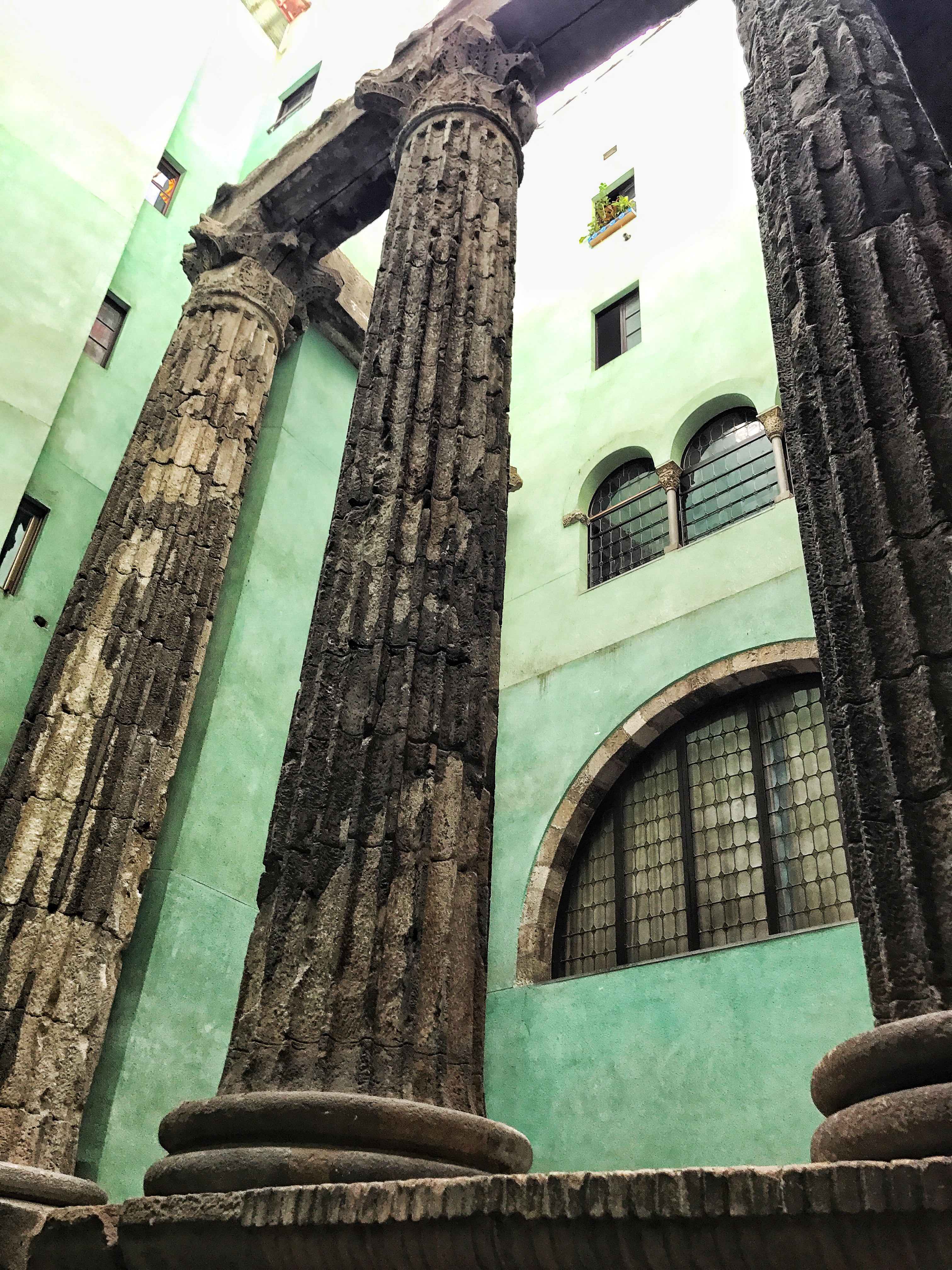
Temple d’August: four uniform columns from the Temple of August have survived more than 2,000 years and today stand tall in a small courtyard on Carrer Paradís.
Plaça del Rei: home to the Palau Reial Major, the 15th-century tower King Martin’s Watchtower (Mirador del Rei Martí), the Lieutenant’s Palace (Palau del Lloctinent) and the Royal Chapel of St Agatha (Capella Reial de Santa Àgata). Unassuming now, this square is a reminder of Barcelona’s medieval grandeur and was reportedly where Christopher Columbus was received upon his return from discovering the New World.
Calle Avinyó: the spirit of the old red light district is depicted in Picasso’s seminal painting, Les Demoiselles d’Avignon. A teenage Picasso used to walked along this street where the Fine Arts school he attended once stood
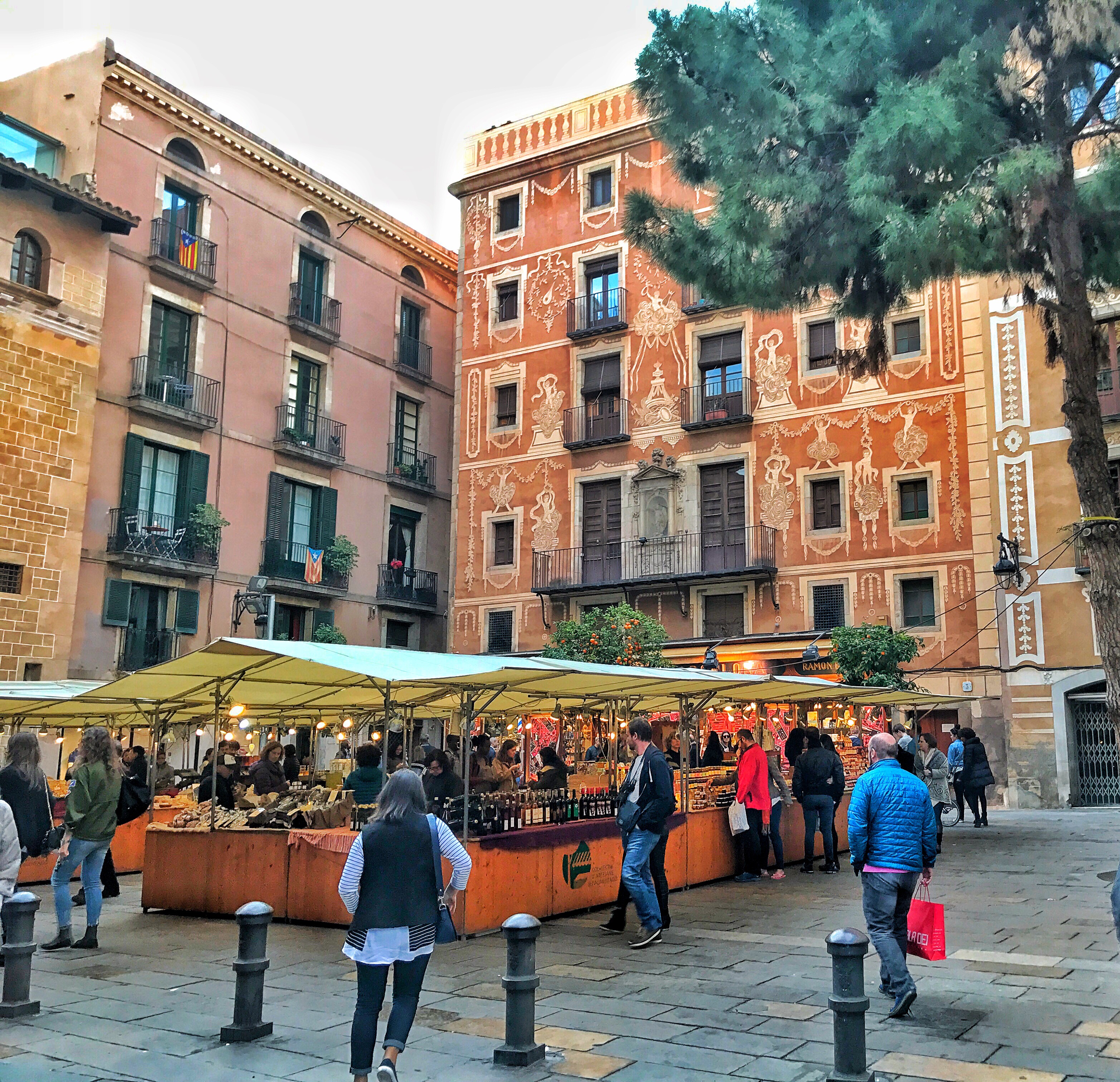
Plaça del Pi: this charming square hosts a weekend art market showcasing local artists, as well as an artisan food market on the first and third Friday and Saturday of the month offering handmade products including honey, fuet (Catalan saucisson) chocolate, nougat, chocolate and wine. Off to one side stands the Gothic church Santa Maria del Pi, with its magnificent rose stained glass window, a reproduction of the original that was destroyed in a fire in 1936.
Placa Reial: One of the most famous squares in Barcelona, located next to La Rambla. Restaurants, bars, clubs and palm trees surround a central fountain. Make sure you look at the lamp posts – they are some of Gaudi’s earliest works.
El Call: some 15% of Barcelona’s population in the medieval times was Jewish, before the Spanish Inquisition and the Edict of Expulsion of the Jews in the 15th Century. Most lived in this historically prosperous quarter, which make up the narrowest streets in all of Barcelona.
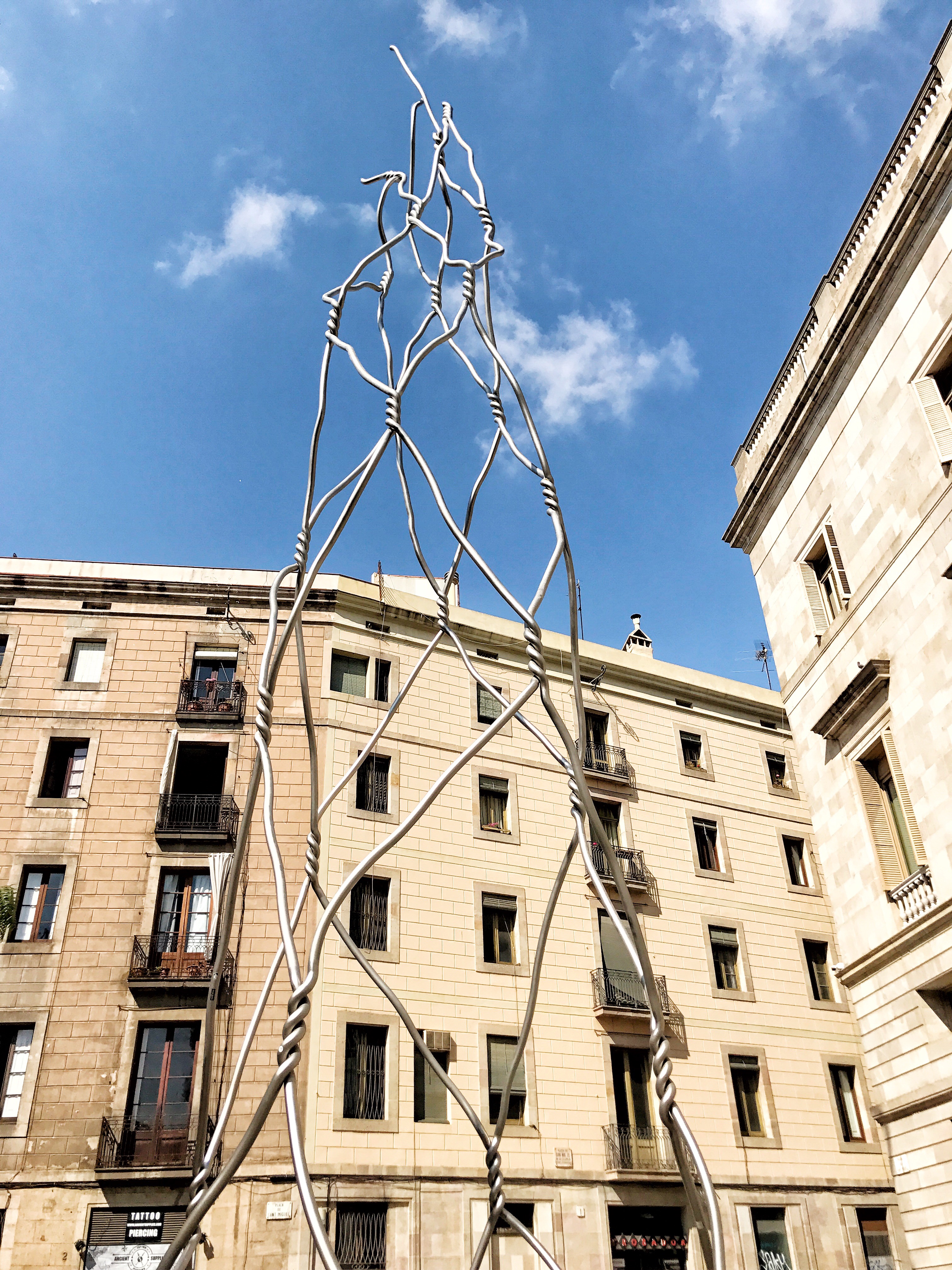
Plaça de Sant Miquel: just behind the Plaça de Sant Jaume – the political heart of Barcelona where both the City Hall (Casa de la Ciutat) and the Catalan government palace (Palau de la Generalitat) are located – is a 26.5 metre tall stainless steel sculpture dedicated to Castellers, the people who often risk their lives to demonstrate the strength and unity of the Catalan people by forming human towers.
Plaça de Sant Felip Neri: the church in this hidden square was bombed on 30 January 1938 during the Spanish civil war, killing 30 children from the school next door who were sheltering inside. A second bomb exploded shortly afterwards, killing an additional 12 people who were trying to rescue survivors.
2. p.m.
Lunch at Hoja Santa (full review here)
9 p.m.

Dinner at Bar Cañete: a buzzing tapas bar and restaurant just off La Rambla. Extremely popular with locals and tourists alike, make sure you book ahead. Seafood dishes are particularly good, fresh produce simply treated to showcase the natural delicious flavours of quality produce. The Cordoba-style fried eggplant chips were a surprise standout.
Sunday
Tip: while most of the shops in Barcelona close on Sunday, the Barri Gòtic is as buzzing as ever and is an easy way to meet any eating and drinking or last minute shopping needs.
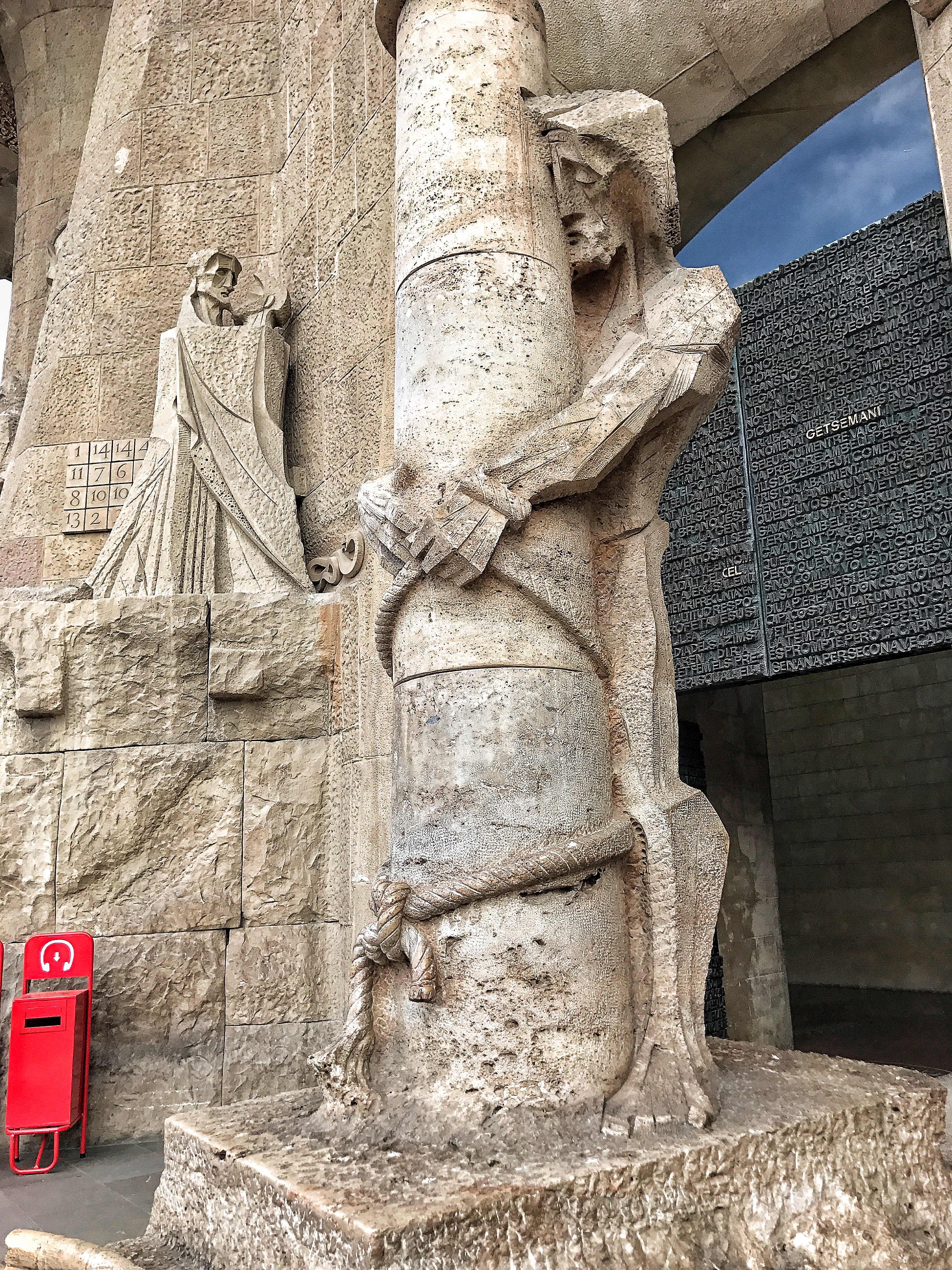
9 a.m.
La Sagrada Familia: Book your ticket online (entry times at 15 minute increments) and get in early to beat the crowds. The audio guide makes soaking in the details easier and going up the towers offer another perspective for those with no mobility difficulties (you ascend in an elevator but the descent is via a relatively steep and very narrow spiral staircase). Tip: don’t bother getting the audio guide for the towers – there are no relevant entries. Also, regardless of whether you go up the towers or not, there are lockers in front of the elevators where you can store bags and jackets for a refundable coin.
11 a.m.
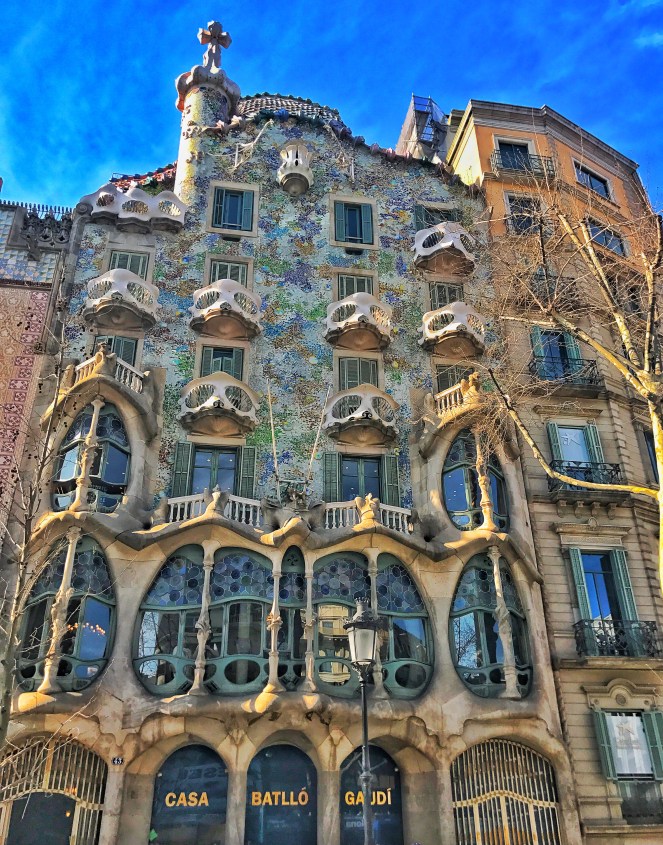
Continue your appreciation of Gaudi’s master strokes. Casa Milà and Casa Batlló are only a few minutes apart located on opposite sides of the Passeig de Gracia.
2 p.m.
Lunch at Euskal Etxea: a Basque establishment offering a decent range of tasty pintxos (essentially open sandwiches), cider and wines in a jovial setting.
3 p.m.
The Picasso Museum: just down the road from Euskal Etxea, the Picasso Museum is free every Sunday from 3 p.m. until closing at 7 p.m. Otherwise it’s advisable to book tickets online ahead of your visit to skip the queues and avoid delays.
 Anna Eats (&) Travels